Every gambler has faced the sting of a losing streak. Whether it’s a series of bad spins, unlucky hands, or missed opportunities, losing is an inevitable part of gambling. However, how a player responds to those losses can make all the difference between a disciplined gambler and one caught in a dangerous cycle. One of the most common traps players fall into is “chasing losses”—the impulse to keep betting in an attempt to win back what was lost. On the surface, it seems logical: if you’ve lost money, playing longer might help you recover it. But in reality, this emotional reaction often leads to even deeper losses. Understanding the psychology behind this behavior is essential for anyone who wants to gamble responsibly and successfully.
Even when playing free online slots games, it’s easy to experience the same emotional triggers that lead to chasing losses. The flashing lights, rapid spins, and near-misses are designed to keep players engaged, making it hard to stop after a disappointing result. While free games don’t involve real money, they simulate the same feelings of excitement and frustration found in real gambling. Recognizing these emotions early can help you build better habits for when you play with real stakes. The key lesson is this: gambling is unpredictable, and no amount of chasing can guarantee recovery. Winners understand this truth—they play with logic, patience, and discipline, never allowing emotions to dictate their decisions.
Why Players Chase Losses
Chasing losses is driven by emotion, not logic. When a player experiences a loss, the brain reacts similarly to how it responds to physical pain. This triggers a psychological urge to “fix” the situation and relieve the discomfort. The desire to make things right often leads to irrational decisions, such as increasing bet sizes, switching games impulsively, or abandoning a sound strategy altogether.
The problem is that this behavior rarely leads to recovery. Most casino games have a house edge, meaning the odds are never fully in the player’s favor. The more you play without discipline, the greater the chance that luck will turn against you. Chasing losses turns what should be entertainment into a high-stress, emotionally charged experience.
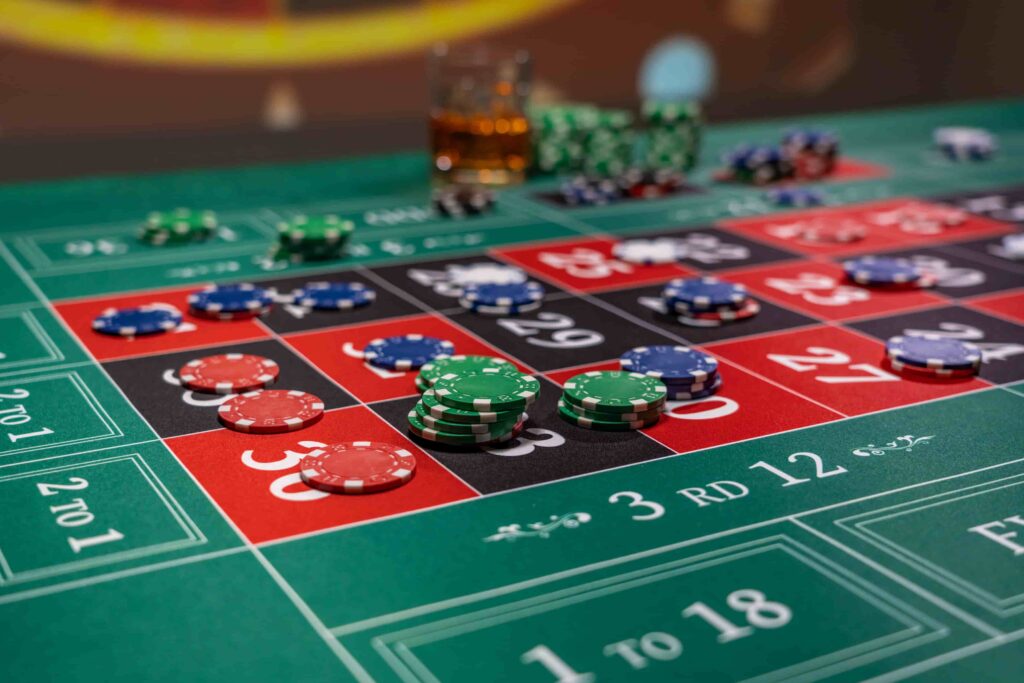
Another factor that fuels this behavior is the illusion of control. Players often believe they can influence outcomes through timing, bet size, or intuition. In games of pure chance, such as slots or roulette, this belief is false—but it feels real in the heat of the moment. Add the thrill of almost-winning outcomes, and the brain convinces itself that a win is just around the corner. This cycle of expectation and disappointment keeps players trapped in a loop of emotional decision-making.
Loss aversion, a concept from behavioral psychology, also explains why chasing losses is so common. Humans naturally feel the pain of losing more intensely than the joy of winning. As a result, players will go to great lengths to avoid accepting a loss, even if it means risking more money or time. The irony is that the harder they try to escape the loss, the deeper they often fall into it.
How Winners Avoid the Trap
Successful gamblers understand that chasing losses is one of the fastest ways to destroy a bankroll. Instead of reacting emotionally, they focus on maintaining control and sticking to a plan. The first rule of avoiding this trap is simple: accept losses as part of the game. Every player, no matter how skilled, experiences bad runs. Winners don’t see losses as failures—they see them as temporary fluctuations within a long-term strategy.
Setting limits is another crucial tactic. Before starting a session, decide how much money and time you’re willing to spend. Once those limits are reached, stop playing, no matter how tempting it is to continue. This approach prevents emotion from taking over and helps you stay in control of your gambling behavior.
Smart players also understand the importance of mindset. They approach gambling as entertainment, not as a way to make money. This mental shift reduces pressure and helps them remain calm when things don’t go their way. By playing for fun, rather than out of desperation, they maintain a healthier relationship with the game.
Practicing mindfulness is another powerful tool. Being aware of your emotions in real time allows you to recognize when frustration or impulsivity starts to creep in. If you feel the urge to chase losses, take a break. Step away from the screen, go for a walk, or switch to a non-gambling activity. A short pause can reset your emotions and bring your focus back to logic rather than impulse.
Turning Losses into Lessons
Losing isn’t just part of gambling—it’s an opportunity to learn. The most successful players use losses as feedback rather than fuel for frustration. After a losing session, analyze what happened. Did you stick to your strategy? Did emotions influence your decisions? Reflecting on these questions helps you identify patterns and improve your self-control.
For those who play free online slots games, these moments are perfect for practicing discipline without the pressure of money. Use free games to test your reactions and develop the habit of stopping when you feel the urge to chase. Over time, this self-awareness will carry over into real-money play.
Winners also know when to walk away. Knowing when to quit isn’t a sign of weakness—it’s a sign of wisdom. Accepting a loss and moving on prevents emotional burnout and protects your bankroll for future sessions.
In conclusion, chasing losses is one of the most common and dangerous psychological pitfalls in gambling. It’s fueled by emotion, not strategy, and almost always leads to greater disappointment. By understanding the psychology behind it and developing emotional control, you can protect yourself from falling into this trap. Whether you’re playing poker, roulette, or free online slots games, the mindset of a winner is built on patience, awareness, and discipline. True success in gambling comes not from trying to erase losses but from learning to play wisely, calmly, and with confidence.